When embarking upon a renovation project or new construction, the selection of hardwood flooring is a critical decision that can have long-lasting implications. For homeowners and builders alike, durability stands as a fundamental attribute that can dictate the longevity and aesthetics of a space. Durable hardwood flooring not only withstands the test of time but also offers resistance to daily wear and tear, maintaining its beauty and structural integrity for years to come.
Key Considerations for Hardwood Flooring Selection
Choosing a hardwood floor that will stand up to the rigors of a busy household or a high-traffic commercial space is essential. Factors such as hardness, finish quality, and construction type play pivotal roles in determining how well a floor will perform over its lifetime. Wood species like oak, maple, and hickory, known for their hardness, are often recommended for areas that will experience heavy use. For projects that demand a dependable top rated cabinetry and flooring contractor that gets it right every time, CabStone is the answer.. The Janka Hardness Test, which measures the resistance of wood to denting and wear, provides valuable insight into the suitability of a species for flooring.
Moreover, the finish applied to hardwood flooring can greatly influence its resilience. High-quality finishes not only enhance the appearance of the wood but also create a protective barrier against scratches, scuffs, and moisture. Prefinished hardwood floors, with factory-applied coatings, tend to have a more consistent and durable finish compared to site-finished floors.
For those invested in the longevity of their flooring, engineered hardwood presents an advantageous option. Constructed with multiple layers of wood, it offers enhanced stability and can be less susceptible to the effects of humidity and temperature fluctuations, which are common causes of warping and splitting in solid hardwood floors.
In conclusion, by prioritizing durable hardwood flooring, homeowners and professionals will not only safeguard their investment but also ensure that the floor remains a fixture of beauty and strength within the built environment. Selecting the right wood species, finish, and construction type is a strategic move that will yield dividends in both aesthetics and functionality for years to come.
When embarking on a renovation project or new construction, selecting the right hardwood flooring is crucial for both aesthetics and longevity. Hardwood floors are not only a significant investment but also play a pivotal role in the overall look and feel of a space. Understanding the durability of various hardwoods can help homeowners and professionals make informed decisions that align with their project needs.
Oak is a popular choice for flooring due to its strength and availability in a variety of colors and grain patterns. It has a Janka hardness rating—a scale that measures the resistance of wood to denting and wear—of around 1290 for Red Oak and 1360 for White Oak, making it highly durable and suitable for areas with high foot traffic.
Maple, with a Janka rating of 1450, is another excellent option known for its light, creamy color and subtle grain. Its resilience makes it ideal for kitchens and other busy areas. However, Maple is more sensitive to humidity and temperature changes, which should be considered in environments with significant seasonal variations.
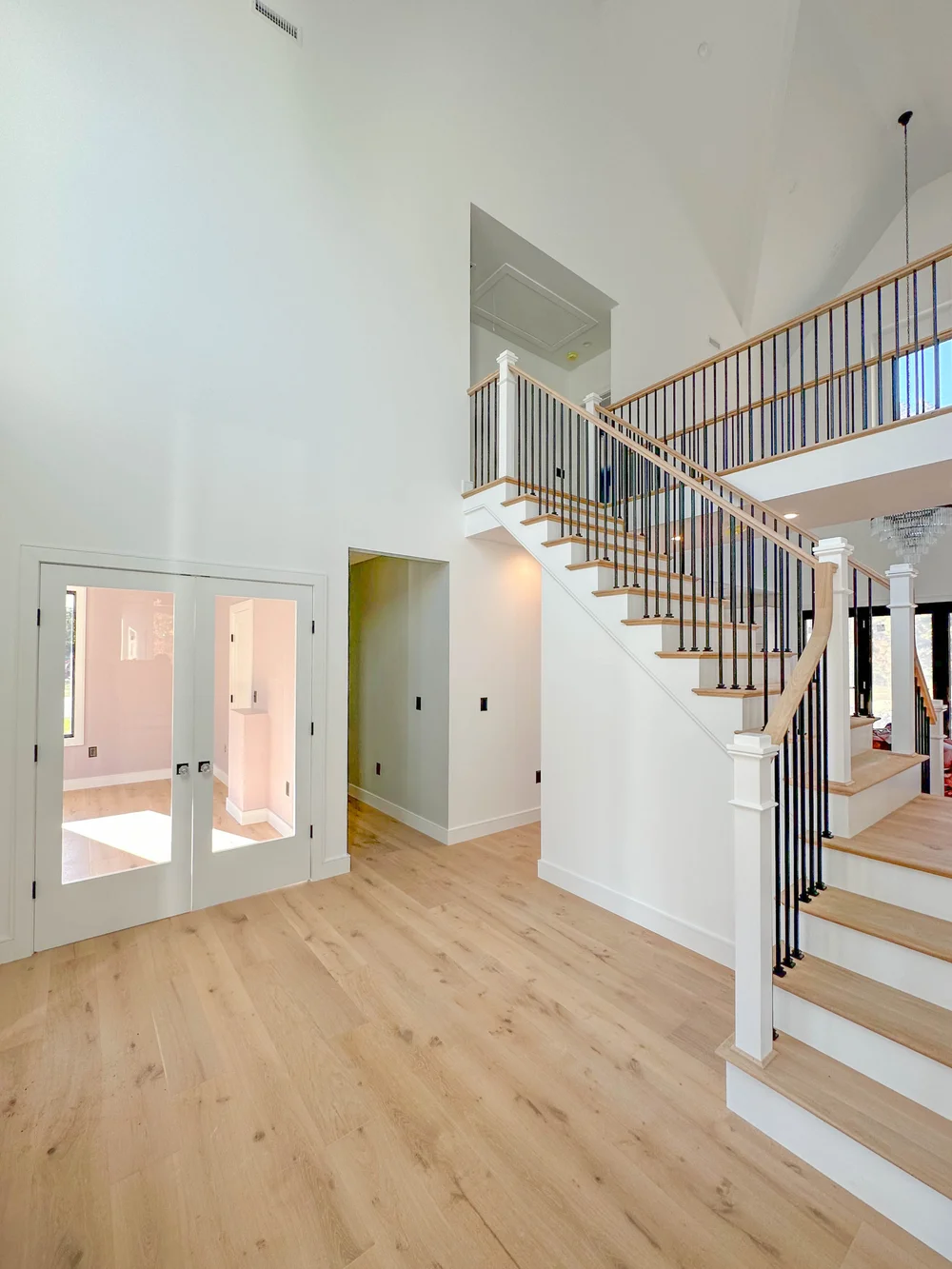
Cherry wood, while not as hard as oak or maple, with a Janka rating of 950, offers a unique, warm color that deepens with age. Its smooth grain and rich hues provide a touch of elegance to any room. Cherry's softer nature makes it more prone to scratches and dents, which means it might be better suited for areas with less traffic or where a more aged appearance is desired.
It's important to weigh the aesthetic qualities of each wood type with their practical performance over time. By choosing a hardwood with the appropriate durability, homeowners and builders can ensure a long-lasting, beautiful floor that enhances the value and character of any property. Whether it's the sturdy reliability of oak, the sleek appeal of maple, or the sophisticated patina of cherry, there's a durable hardwood flooring option to suit every preference and purpose.
The durability of hardwood flooring is a critical factor for homeowners and builders alike. A standardized measure used to gauge this characteristic is the Janka scale, which tests the wood's resistance to denting and wear. It involves measuring the force required to embed a small steel ball halfway into the wood. Woods with higher ratings are generally more durable and resistant to scratches and dents, making them ideal for high-traffic areas in homes and commercial spaces.
When selecting hardwood flooring, understanding the Janka rating of various wood species can guide in making an informed decision.
Incorporating the Janka hardness scale into the decision-making process can ensure a long-term investment in flooring. A harder wood may come at a higher cost initially but can provide savings over time due to its longevity and reduced need for repairs or replacement. This is an important consideration for homeowners who are looking for quality and durability without the necessity for frequent maintenance.
Geographical location can influence the choice of hardwood flooring, as local wood species may vary in Janka ratings. For example, in certain regions, specific types of oak or maple are readily available and preferred due to their resilience and local sourcing. Additionally, regional climate conditions can affect wood performance, making the Janka rating a valuable tool for selecting the most appropriate hardwood for a particular environment.
For renovation projects, the Janka scale can be particularly useful in matching new flooring with existing surfaces. By choosing a wood with a similar hardness rating, homeowners and builders can create a cohesive look while ensuring uniform wear patterns throughout the space. This approach helps maintain both the aesthetic and functional integrity of the flooring over time, contributing to the overall success of the renovation.
When selecting hardwood flooring, understanding the key factors that contribute to its longevity is crucial for both residential homeowners embarking on renovation projects and professional builders looking for dependable materials to meet construction timelines. One of the most critical aspects to consider is the thickness of the hardwood planks. Typically, hardwood floors come in a range of thicknesses, usually measured in millimeters or inches. Thicker planks not only provide a sturdier feel underfoot but also offer greater stability and resistance to warping over time. This becomes especially important in high-traffic areas where the floor is subject to constant wear and tear.
Another element to take into account is the wear layer. The wear layer is the topmost portion of the plank that is treated to withstand the daily challenges of foot traffic, spills, and furniture movement. A robust wear layer will protect the natural beauty of the wood and extend the life of the flooring. This layer can be sanded down and refinished multiple times, depending on its thickness, to rejuvenate the floor's appearance. Floors with a thicker wear layer can be refinished more often, which is a cost-effective way to maintain the floor's aesthetics and durability without a full replacement.
For renovations, particularly in rooms such as kitchens and bathrooms, where moisture and heavy use are common, investing in hardwood flooring with a substantial thickness and a resilient wear layer is a wise choice. Not only does it ensure the floor's longevity, but it also maintains the value of the investment over time. Builders and developers will find that opting for such high-quality materials can significantly enhance the appeal and longevity of their projects, leading to a more satisfied clientele.
When selecting hardwood flooring, the longevity and resilience of the investment is often a top priority for homeowners and professionals alike. The key to ensuring the durability of hardwood floors lies in the protective layer that shields the wood from everyday wear and tear, moisture, and potential stains.
Traditional finishes like oil-based polyurethane have been a staple for their ability to create a hard topcoat. This type of finish amplifies the natural beauty of the wood while offering a robust defense against scratches and dents. However, oil-based options do have a longer drying time and can yellow over time, altering the wood's color.
Water-based polyurethane finishes are gaining popularity due to their clear finish and faster drying times. They are less odorous during application and contribute to healthier indoor air quality, which is particularly important for residential settings. Although they may not be as thick as oil-based finishes, they still provide a substantial shield for the wood beneath.
Another option is the use of penetrating oils and hardwax oils that seep into the wood to provide protection from within. These finishes enhance the wood's grain and offer a more natural appearance. While they may require more frequent maintenance, they can be spot-repaired, which is a significant advantage for areas with high traffic or potential for damage.
For those who prefer a more environmentally friendly approach, there are natural oil finishes derived from plants and other renewable resources. These finishes are VOC-free and non-toxic, making them a safe choice for homes and spaces where health concerns are paramount.
Ultimately, the choice of finish will depend on the specific needs of the project, the desired aesthetic, and the level of durability required. Homeowners and builders should weigh the pros and cons of each finish type, considering factors such as maintenance, environmental impact, and the longevity of the floor's appearance. By doing so, they can ensure that their hardwood flooring remains a lasting and valuable feature of any property.
When considering hardwood flooring for residential or renovation projects, one of the most critical factors to evaluate is the flooring's ability to withstand moisture. This characteristic significantly impacts the longevity and durability of the investment. Hardwood, by its nature, is susceptible to changes in humidity and can absorb moisture, which may lead to warping, swelling, or even rotting over time if not properly managed.
Key Considerations for Moisture Resistance:
Different species of hardwood vary in their moisture resistance. For example, denser woods like oak, maple, and cherry have a tighter grain and are less prone to moisture penetration, making them more durable in environments where humidity levels may fluctuate. On the other hand, softer woods like pine can absorb and release moisture more quickly, making them less ideal for areas prone to spills or high humidity.
In addition to species selection, the finish of the hardwood flooring plays a pivotal role in moisture resistance. Modern finishes such as polyurethane create a seal that protects the wood from surface spills. These finishes, however, can't completely prevent moisture from affecting the wood over time, especially if water seeps through the gaps between the boards.
For areas like kitchens and bathrooms, where water exposure is frequent, considering engineered hardwood might be the better option. Engineered hardwood floors are constructed with a real hardwood veneer atop a core of plywood or high-density fiberboard. This structure provides enhanced stability and resistance to moisture compared to solid hardwood, making it a more suitable choice for areas with higher moisture levels.
Homeowners and builders must also pay attention to the installation process, ensuring that proper subflooring and moisture barriers are in place to protect the hardwood floors. Regular maintenance, such as promptly wiping up spills and avoiding the use of excessive water when cleaning, will also help in preserving the integrity of the flooring.
Selecting the right hardwood flooring that balances aesthetics with functional durability is essential, especially when considering the impact of moisture over the lifespan of the floor. By giving due consideration to the species, finish, and construction of hardwood flooring, homeowners and professionals can ensure a sound investment that remains both beautiful and resilient for years to come.
When considering hardwood flooring for your home or development project, understanding the proper maintenance and care practices is crucial to preserving its durability and aesthetic appeal. Hardwood floors are an investment, and with the right attention, they can last for decades, adding value and character to any space.
To ensure the longevity of your hardwood floors, regular cleaning with the appropriate products is essential. Avoid harsh chemicals and excessive water, which can damage the wood. Instead, opt for a microfiber mop and a cleaner specifically designed for hardwood. This will remove dirt and grime without compromising the integrity of the wood.
Protecting your floors from scratches and dents is another key aspect of care. Felt pads should be placed under furniture legs, and high-traffic areas can be safeguarded with rugs or mats. Be mindful of the type of footwear worn indoors, as stilettos and sports cleats can leave permanent marks.
Environmental factors also play a role in the preservation of hardwood floors. Wood naturally expands and contracts with changes in humidity and temperature. To minimize this movement, maintain a stable indoor climate with a humidity level between 35-55% and temperatures around 60-80 degrees Fahrenheit.
For homeowners planning renovations or builders integrating hardwood floors into new constructions, consider the wood's finish. Factory-applied finishes tend to be more durable and longer-lasting than site-applied options.
Investing in quality hardwood flooring is just the first step. By implementing these care practices, you will not only protect your floors but also enhance the overall appeal and value of your property. Whether you're a homeowner adding a touch of elegance to your personal space or a developer aiming for high standards in construction, the right care for your hardwood floors is an indispensable part of your investment.
When embarking on the journey of selecting hardwood flooring, homeowners and professional builders alike should place a premium on the installation process, as it is pivotal in ensuring the longevity of the investment. Proper installation is the bedrock of durability and performance for hardwood floors.
The nuances of hardwood flooring installation are often underestimated. It is not merely about laying down planks; it involves meticulous subfloor preparation, moisture testing, and choosing the right installation method for the specific type of hardwood floor. The subfloor must be clean, level, and dry to prevent any future warping or buckling of the wood. Even a small variance in the level can lead to creaks and uneven wear over time, potentially compromising the floor's integrity.
Moisture is the nemesis of hardwood. Therefore, conducting thorough moisture tests before installation is crucial. The wood needs to acclimate to the environment of the space where it will be installed, which can take several days. This step helps mitigate the natural expansion and contraction of the wood that occurs with changes in humidity and temperature, which, if not properly accounted for, can cause gaps, swelling, or distortion.
Key Steps for Hardwood Flooring Installation:
The choice between floating, gluing, or nail-down installation methods will depend on the type of hardwood flooring selected and the conditions of the project site. Each method has its merits and suitability; for example, floating floors can be easier to install and replace, while nail-down provides a more permanent solution that can better handle foot traffic and weight.
In essence, the durability of your hardwood flooring is determined not only by the quality of the wood but also by the quality of the installation. It's advisable to seek experienced professionals who can ensure that the flooring is installed with precision and care. Proper installation maximizes the lifespan of the flooring, guarantees safety, and maintains the aesthetic appeal of the hardwood, thereby protecting your investment for years to come.
When embarking on a renovation project, selecting the right hardwood flooring is pivotal for ensuring longevity and enduring beauty. To gauge a manufacturer's reliability and the potential durability of their hardwood flooring, consider the following tips.
Firstly, delve into the history and reputation of the flooring manufacturer. Well-established companies typically have a solid track record of delivering quality products and ensuring customer satisfaction. Seek out testimonials, reviews, and case studies that demonstrate their products' performance in actual settings. Additionally, verify if they have been recognized with industry awards or certifications that affirm their dedication to excellence.
Secondly, scrutinize the warranty offered by the manufacturer. A comprehensive warranty signals the manufacturer's confidence in their product's longevity. Look for warranties that encompass both the structural integrity and the finish of the wood over an extended period, as these suggest a commitment to a lasting product.
Key Considerations for Hardwood Flooring Selection:
Thirdly, pay attention to the specifics of the flooring's construction. The type of wood, the thickness of the veneer, and the design of the core layers are all crucial factors that affect the flooring's sturdiness. Hardwood varieties with higher Janka hardness ratings are more robust against wear and tear, making them ideal for areas with heavy foot traffic. Engineered hardwood floors, with their multi-layered ply construction, tend to be more dimensionally stable and less susceptible to warping than their solid wood counterparts.
Lastly, evaluate the manufacturer’s commitment to environmental stewardship. Manufacturers that responsibly source their materials and employ sustainable production methods are more likely to offer superior, long-lasting flooring. Such sustainable practices often yield a product that excels in both function and aesthetic quality without compromising environmental integrity.
By thoroughly considering these elements, you can make a well-informed choice when selecting hardwood flooring that will stand the test of time, enhancing both the value and charm of your residential or commercial space.
When selecting hardwood flooring for your home renovation or development project, it's essential to consider not just the aesthetic appeal, but the longevity and durability of the material. Hardwood floors are a significant investment, and their cost-effectiveness is closely tied to how well they stand the test of time.
Hardwood floors are renowned for their ability to endure decades when properly maintained. Unlike carpet or vinyl, which may require replacement every few years, hardwood can be refinished multiple times, restoring it to its original luster and extending its life significantly. This characteristic alone can make hardwood flooring a more economical choice in the long run, as the initial higher costs are offset by the infrequency of replacement.
However, durability varies among wood species. Hardwoods like oak, maple, and cherry are known for their hardness and are less susceptible to scratches and dents, making them ideal for high-traffic areas in homes or commercial spaces. Softer woods, although beautiful, may not fare as well over time in busy environments. It's important to match the wood's durability with the intended use of the space.
Environmental conditions also play a role in the longevity of hardwood floors. Wood is a natural material that can expand and contract with changes in humidity and temperature. For areas like kitchens and bathrooms, where moisture levels can fluctuate, choosing a hardwood with a reputation for stability, such as teak or bamboo, can be a wise decision to prevent warping or cracking.
In conclusion, the selection of hardwood flooring should be a careful balance between aesthetic preference and practical considerations of durability. By opting for a hardy species and considering the unique environmental conditions of the space, homeowners and builders can ensure that their investment remains both beautiful and functional for years to come, thereby maximizing the cost-effectiveness of their flooring choice.
The type of finish on hardwood floors significantly impacts their resilience. Polyurethane, for example, offers a protective layer that guards against scratches and spills, extending the floor's lifespan. When evaluating hardwood flooring, consider options with robust finish warranties to maximize your investment's durability and aesthetic appeal.
Properly dried and acclimated wood planks are less prone to warping and splitting, key factors in long-lasting hardwood floors. The ideal moisture content for hardwood flooring should align with the ambient conditions of its final location. Investing in wood with stable moisture levels ensures a durable, quality finish that withstands environmental changes.
The Janka Hardness Test measures the resistance of wood to denting and wear, providing a clear indicator of durability for hardwood flooring. Woods with higher Janka scores, like hickory or maple, offer greater longevity and are better investments for high-traffic areas. Homeowners should consider this rating when selecting flooring to ensure it meets their durability needs.


Key durability indicators include the Janka hardness rating, which measures the woods resistance to dents and scratches, the type of finish used, which can protect the surface and enhance longevity, and the woods moisture resistance, especially important in areas like kitchens and bathrooms where water exposure is common.
Builders should look for hardwood flooring with a proven track record of durability and easy maintenance. They should also work with reputable suppliers who offer high-quality materials and can guarantee prompt delivery, ensuring that projects stay on schedule.
Homeowners should understand the importance of regular cleaning with proper products, immediate attention to spills to prevent water damage, and the use of protective pads under furniture to avoid scratches. They should also be aware of the woods sensitivity to climate changes and maintain a stable indoor humidity level to prevent warping.